
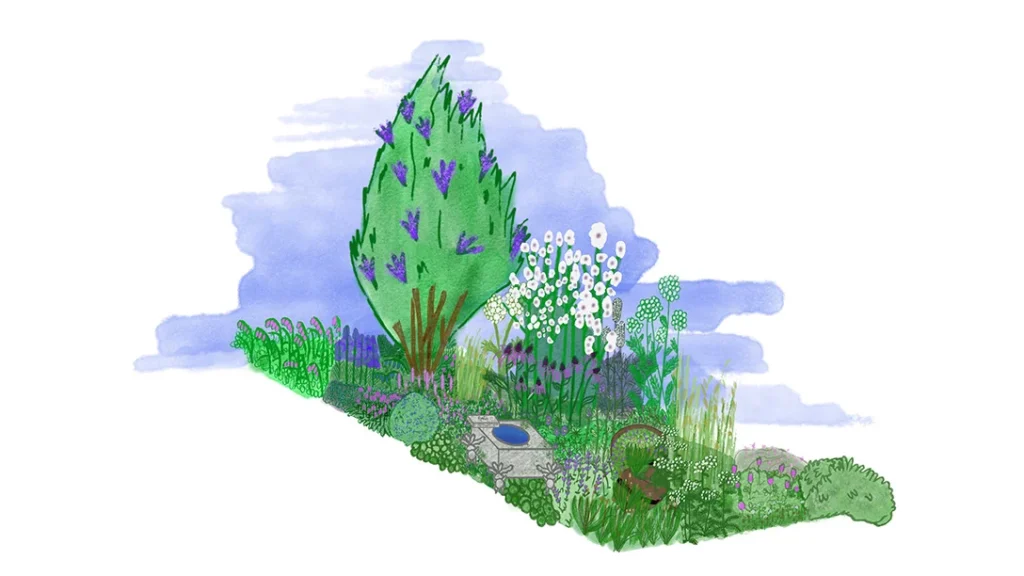
Inspired by the history of the Lady Well and its miraculous properties, gardeners David Congram and Joao Afonso have created the Ladywell Physic Garden for the Royal Horticultural Society’s Sandringham Flower Show on July 22-26.
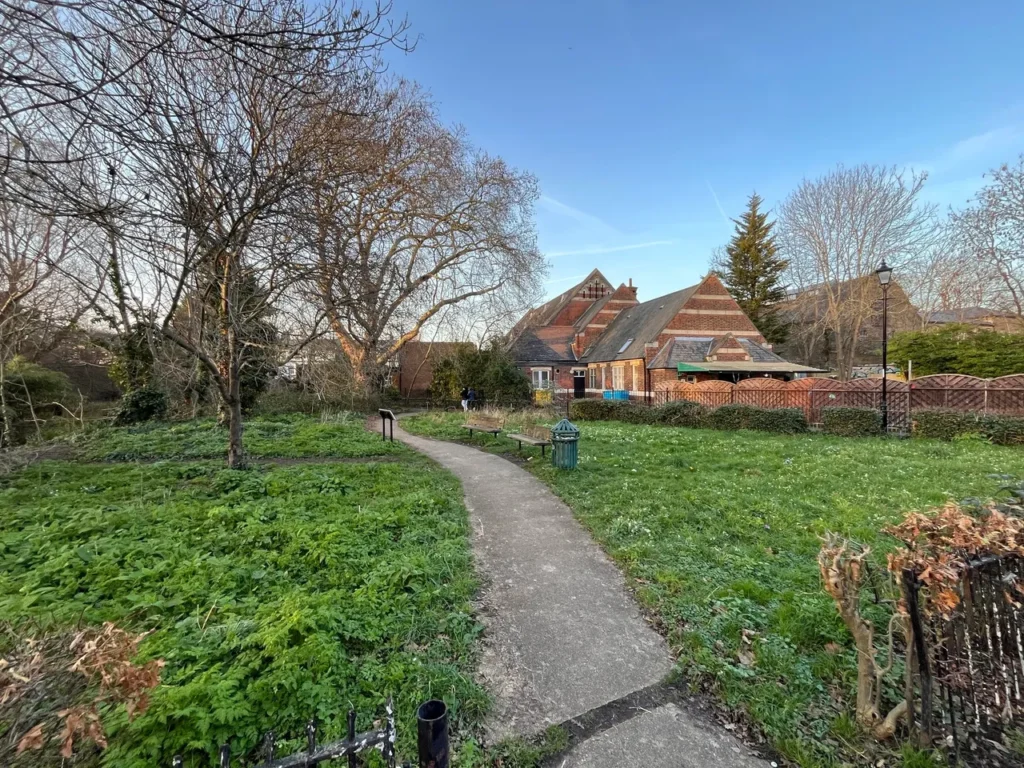
The garden, best described as a herbal dispensary, will find a permanent home from early August, close to the site of the ancient well by the Ladywell railway bridge and the River Ravensbourne.
The well, a place of pilgrimage since medieval times, was known for the curative properties of its waters. And close by the abundant fields of wild flowers and medicinal plants served the local community’s health needs.
David and Joao say the garden will draw on this history. “It will be a first aid garden, full of medicinal plants that continue to grow wild in south east London.”
“These are plants you can find in Ladywell Fields, in cracks in pavements and around gravestones at St Mary’s Church.
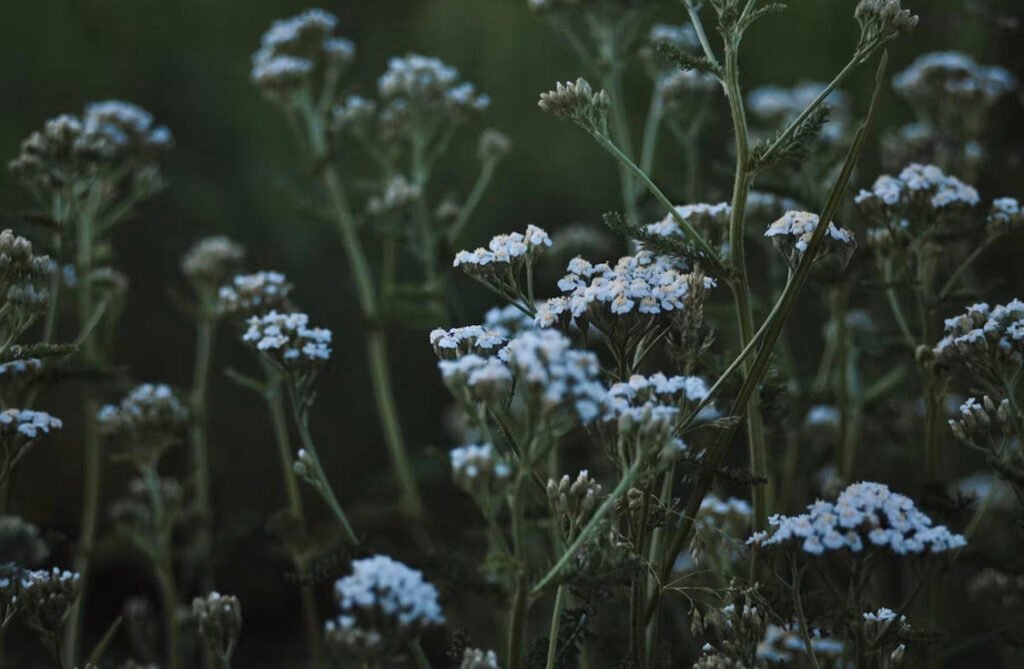
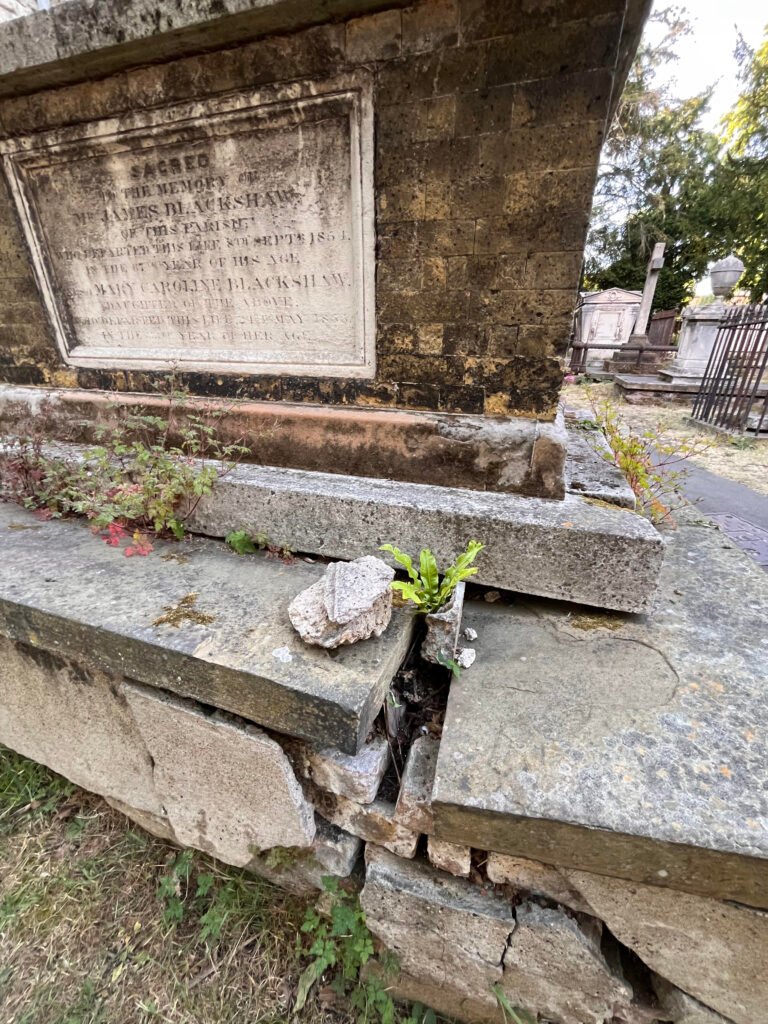
“They are often dismissed as weeds. But they are climate resistant and thrive in today’s erratic weather.”
As Joao, a qualified herbalist as well as gardener, explains on his website: “The garden will evoke the medieval history of Ladywell and the development of herbal medicine – a fascinating aspect of British cultural identity.”
Common plants such as Yarrow, often found in meadows and grass verges, is famous for its healing and soothing properties. It is said to stop bleeding and relieve digestive upset.
It was said to have been used by Achilles to treat his soldiers’ wounds and by soldiers in the American civil war to staunch bleeding.
Plantain, a weed which we usually dig out of our lawns and flower beds, has edible leaves and can be used to stop bleeding, soothe burns and insect bites. And Harts-tongue fern, often found in damp crevices in old walls and in shaded woodland areas, was used in the 1800s as a spleen tonic.


Selected by the RHS for the “long border” category – a raised 7 metre by 2 metre bed along the central avenue of the show – David and Joao’s design will be an interpretation of a medieval physic garden with plants selected for their medicinal qualities.
It will be” a herbal dispensary for the near future” with plants that can be used to treat the illnesses likely to be more common in future – respiratory, eye and skin ailments and mental health.
“The centrepiece will be a Chaste Tree with deep purple flowers. Under its shade, sculptures by artist Lucy Page will focus on the history of the area, with repurposed antique well bucket planters giving a gentle nod to the area’s once-famed well”. There will also be birdbath to introduce the element of water and reference the garden’s watery inspiration.
David says his inspiration for the garden came from two books by Ladywell Society founder Robert Smith – The Well of Our Lady (1986) and A Tale of Two Villages (2026).
He found them fascinating reads and immensely enjoyed learning more about the abiding mystery of the Lady Well.
David and Joao say once in Ladywell the garden will be much bigger and be in a public space accessible at any time – St Mary’s Garden.
Joao would like to see the garden, part funded by Lewisham council and a host of individuals, as a community resource that could educate local people about herbs and their use as an ongoing project. David hopes the garden will be ready to visit by August 2.
But preparing the site will take time. “There’s all kinds of stuff there. We are digging up filing cabinets.”
You can read more about the garden at the RHS show here: Ladywell Physic Garden long border at RHS Sandringham Flower Show 2026 / RHS