
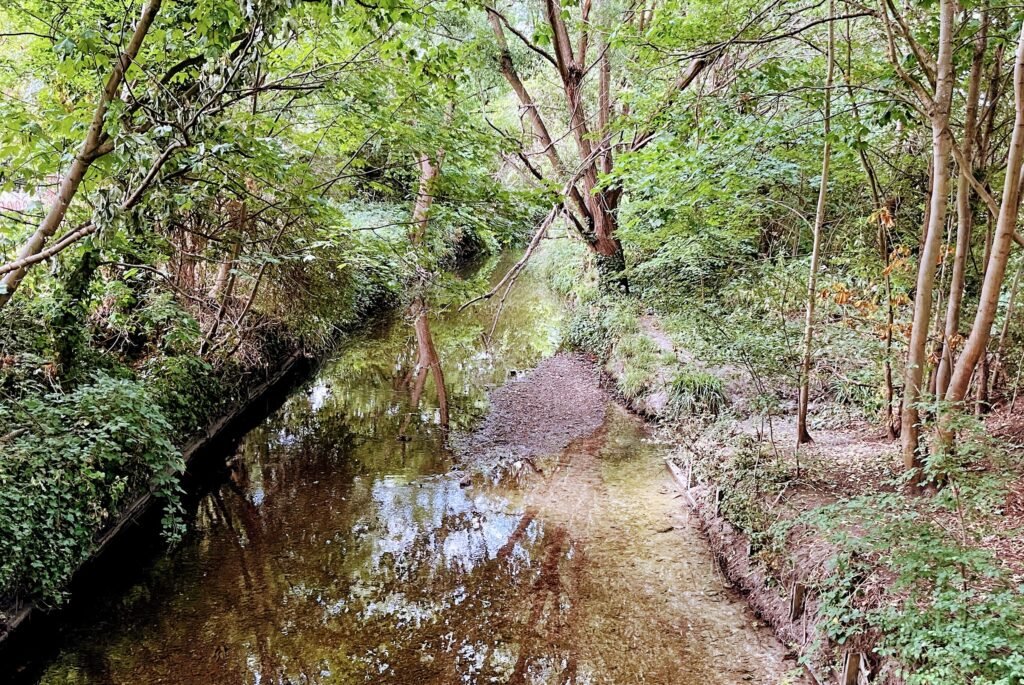
Community volunteers have drawn up a 10 year nature recovery plan to make Ladywell Fields, already a much-loved and heavily used park, even better.
The proposals from park user group LFUG coincide with a project by Thames21, a leading London environmental charity, to launch the next phase of its work on restoring the River Ravensbourne.
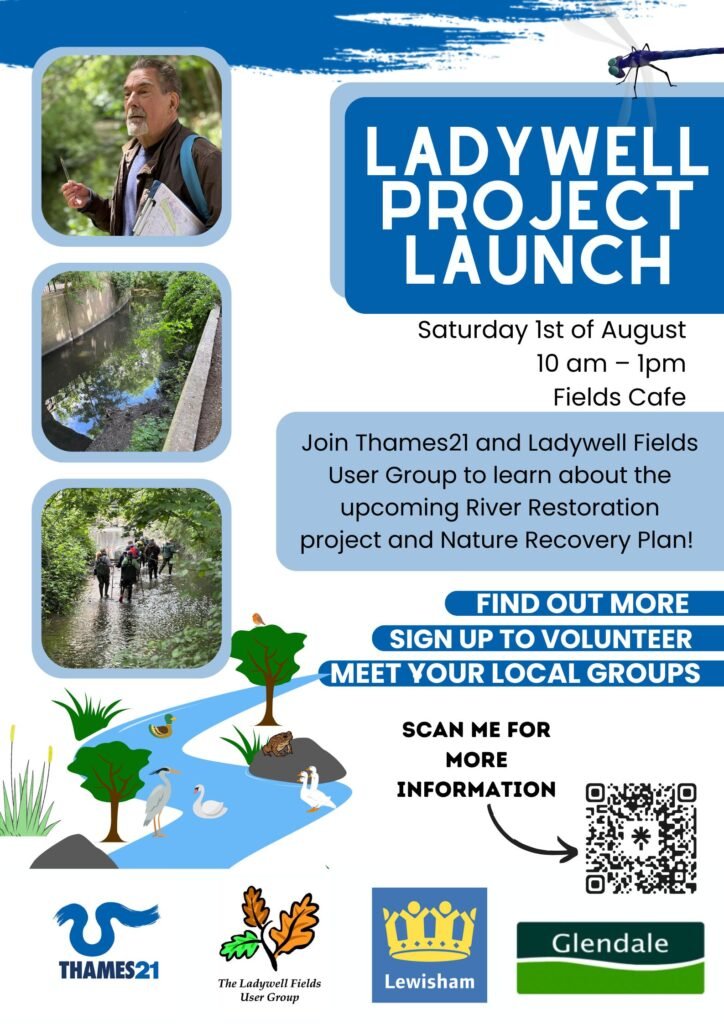
The Ladywell Fields User Group will present a nature recovery plan, aimed at improving biodiversity and the ecological health of the park, at the Fields Cafe on August 1 2026 from 10.00am until 1.00pm.
The park was first mentioned in the Domesday Book of 1086 as “30 acres of meadows in the Manor of Lewisham”. It became a Site of Borough Importance for Nature Conservation after a major transformation 20 years ago when a channel of the Ravensbourne was diverted through the middle of the park.
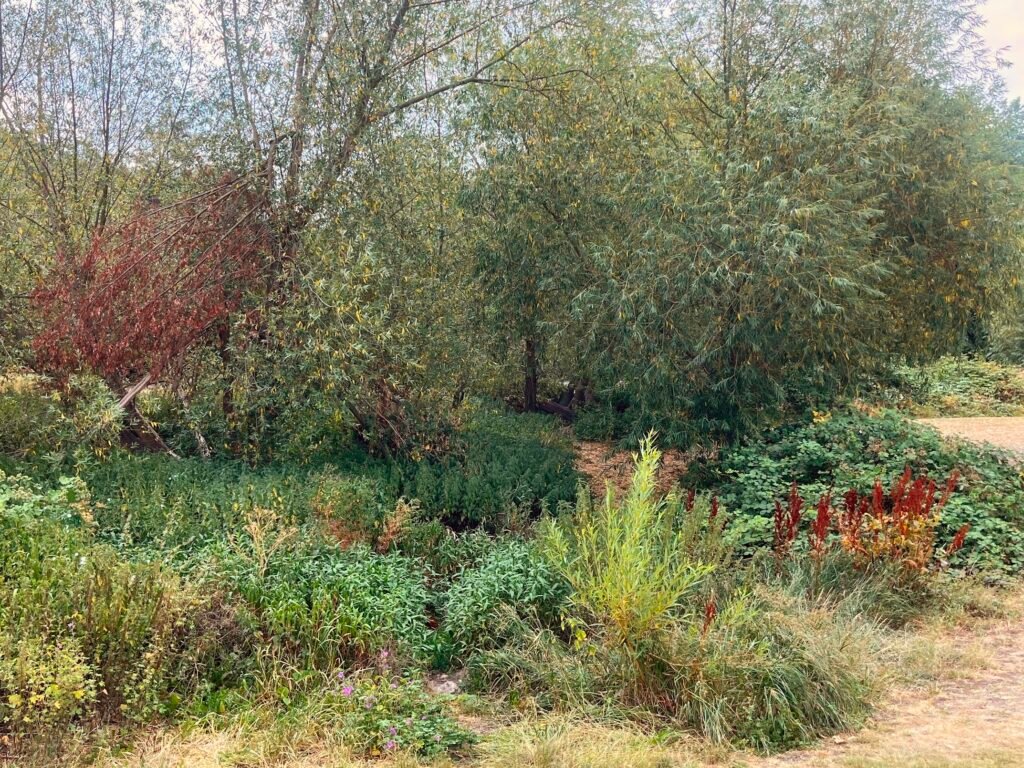
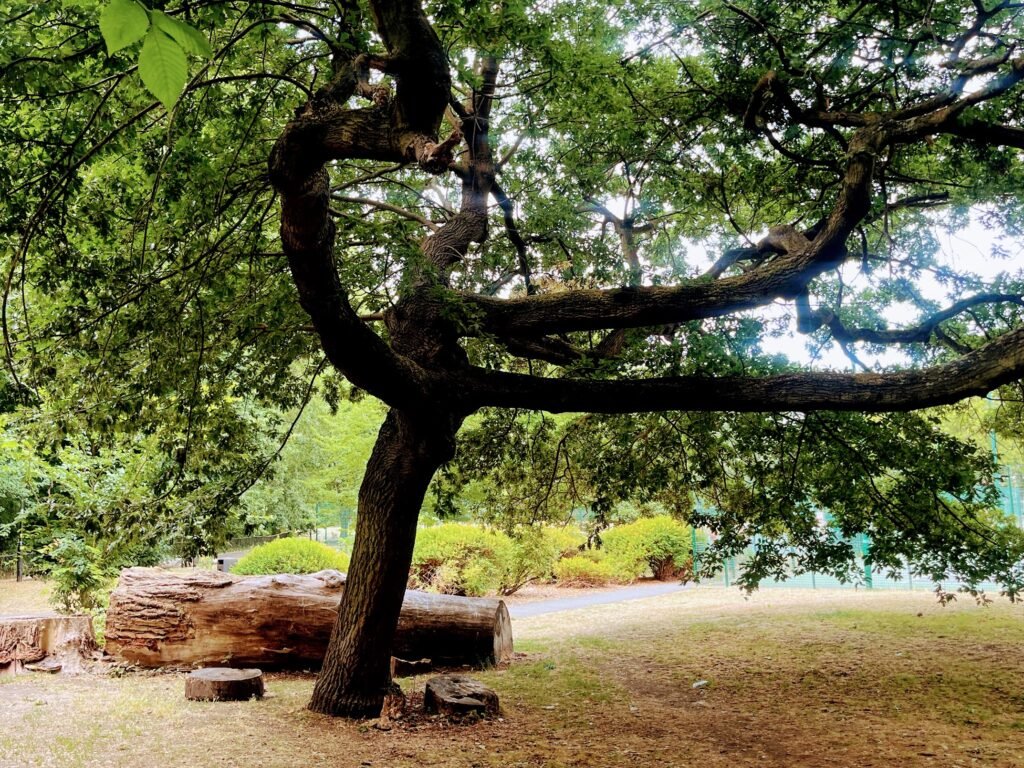
Since then, Ladywell Fields, has seen a series of initiatives to increase leisure activities in the park and restore its natural character as flood plain and water meadows.
Now the user group has drawn up a nature recovery plan “to coordinate the many ongoing initiatives, stimulate ideas and take advantage of wider opportunities, including funding.”
“Last summer park users told us that what they most enjoyed about Ladywell Fields is contact with the natural world,” says Caroline Culpitt, chair of the user group.
” This inspired us to imagine an even more natural park, with more habitat for wildlife.
“Having consulted widely, we have come up with a ten year plan which we want to present back to park users.”
The key aims are:
- Habitat and Species Improvement: Enhance habitat quality to boost the abundance of high-risk priority species and attract new wildlife like hedgehogs and water voles.
- Connectivity: Strengthen river connections for both wildlife and people to the north and south of the park.
- Water Restoration: Improve existing ponds, standing water, and the overall ecological health of the river.
- Status Elevation: Transition the park toward a Site of Metropolitan Importance for Nature status.
Key Proposals
The non-statutory framework outlines 16 specific actions organised into six themes:
- River and Ponds: Naturalise the river using bank reprofiling and berms, create a new channel and slope pond, and restore backwater habitats.
- Trees and Hedges: Implement a dedicated “Plan for Trees” to mitigate climate risks and plant additional linear hedgerows.
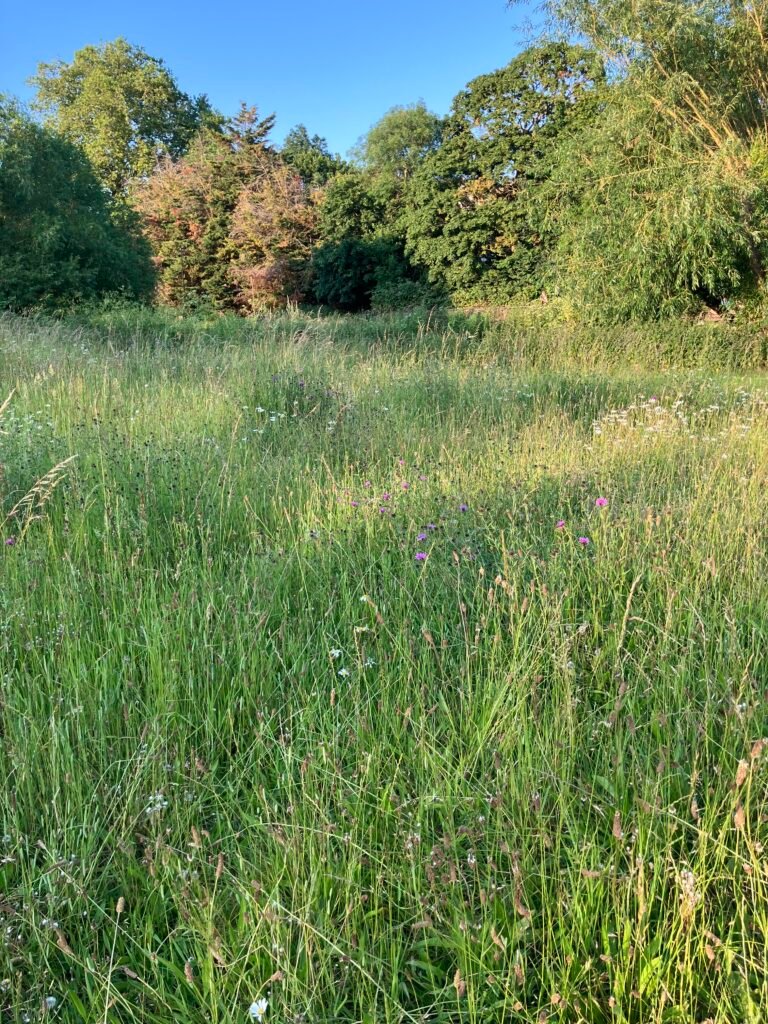
- Meadows and Insects: Expand meadow space and establish “insect islands” to support pollinators and beetles.
- Community Engagement: Partner with neighbors to build hedgehog corridors and collaborate with local organizations on expanded wildlife monitoring surveys.
- Communication: Promote awareness of the LFUG blog site and increase postings. Increase volunteer participation.Improve park signage.
- Surveys: Work with partners to widen the range of surveys, ideally to include hedgehogs, bats, butterflies, stag beetles, moths. Publish annual summary.
The user group plan coincides with Thames21’s Ravensbourne Restoration project. Thames21 works to transform London and the Thames Basin into a healthier, more climate-resilient region with rivers that everyone can enjoy.
What do you think of the nature recovery plan. Feedback form here
On August 1 (10.00am to 1.00pm Fields Cafe) Thames 21 and the user group will present their river restoration project and nature recovery plan. Come and meet the local groups and volunteers.